Real Money Keno Strategy Guide: Playing the Numbers Beyond Luck
Keno sits in the club the way a slow-burning campfire sits at a regional Queensland gathering: steady, predictable, and entirely dependent on how much dry timber you feed it. A real money keno strategy guide is less about bending the draw and more about bending your habits around it, so the evening stays entertaining rather than expensive.
Most players arrive with the wrong equipment. They expect a system that trumps randomness, then act surprised when the on our web project machine keeps its promises. The sensible approach treats each round like a fixed entertainment cost, similar to buying a round at the local pub and knowing exactly when you’ll call it quits. You don’t argue with the bar staff about the price of a flat white; you set a limit, enjoy the caffeine, and leave before the conversation turns into a second mortgage.
That mindset shapes everything that follows. You pick your spots, you watch the pace, and you decide in advance what a good session looks like when the numbers stop cooperating. The draw itself stays indifferent, which is exactly why your habits need to carry the weight.
Where a Real Money Keno Strategy Guide Fits Into an Evening That Already Has a Plan
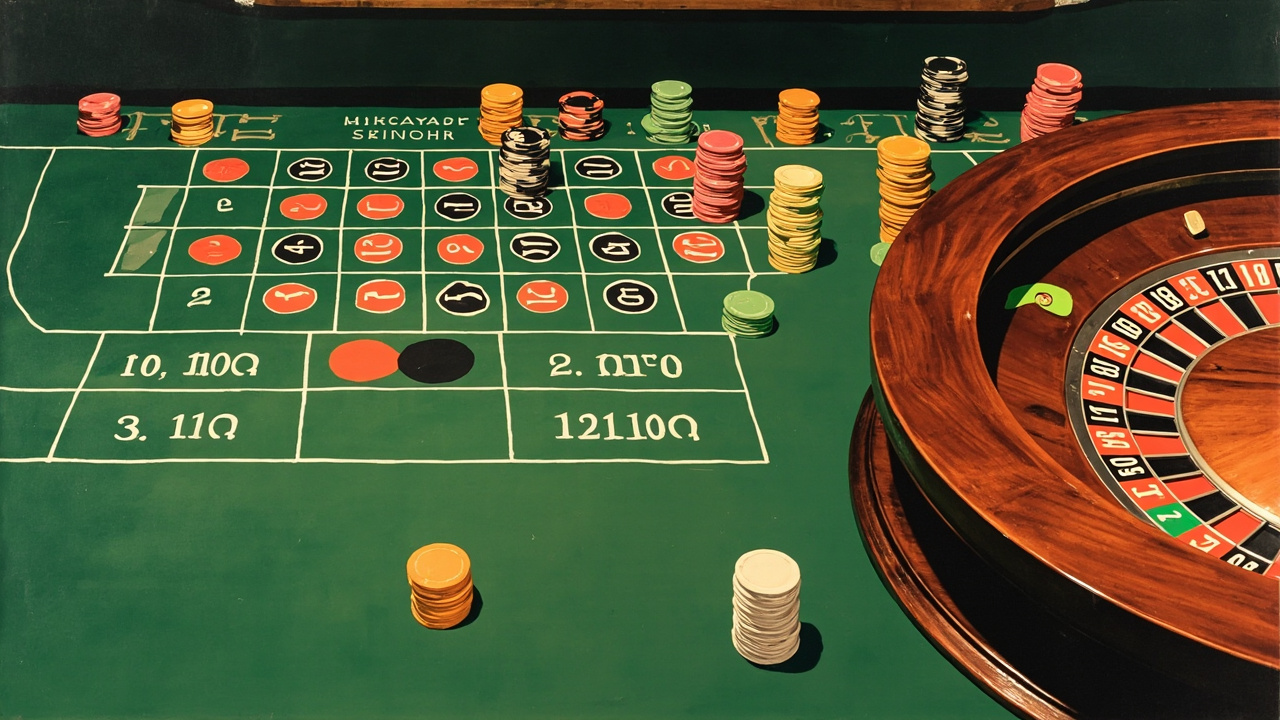
A proper real money keno strategy guide starts with the boring paperwork: what you’re actually trying to do with the game. Some people want the occasional spike of excitement between other activities; others want a longer, quieter stretch where the pace stays manageable. Neither approach is wrong, but they require different settings on the same machine. Picking twenty numbers because the screen looked generous is the kind of decision that turns a modest night into a lesson in arithmetic.
The first rule is to separate your entertainment budget from your grocery money before you press a single button. Write the limit down, or put it in your phone, or tell the person next to you where the boundary sits. Once that line exists, the game becomes a contained amusement rather than a moving target. You still get the same draw, the same rhythm, and the same chance of watching your picks scatter like seagulls around a dropped chip packet, but you stop feeding the fire after the timber runs out.
The second rule is to choose a pace that matches your attention span. A slower session with fewer rounds lets you notice patterns in your own behaviour, which is usually more useful than noticing patterns in the numbers. You’ll see when you start chasing, when you start overplaying, and when you’re still making the same decision you made ten minutes earlier. That awareness matters more than any spreadsheet, and it’s the reason a real money keno strategy guide spends more time on discipline than on wishful thinking.
The third rule is to treat the game as a side activity, not the main event. If the draw becomes the only thing keeping the evening alive, you’ve already tilted the odds in the wrong direction by making the stakes emotional. Better to keep the music on, keep the conversation moving, and let the keno screen do what it does while you do something else for a bit. That doesn’t make the game dull. It makes it survivable.
A useful session usually looks like this:
- A fixed spend decided before the first draw, not after the third
- A pick count that matches the pace you actually want, not the one the screen suggests
- A stop point based on time or budget, whichever arrives first
- A clear reason to stay, like a quiet stretch between other plans, rather than a vague hope that the next round will behave stellarspins.online
How the Numbers Behave When You Stop Expecting Them to Behave
The draw doesn’t remember your last round, and it doesn’t care about your favourite numbers. That’s the part people keep forgetting, usually right after they’ve spent a few minutes convincing themselves that a pattern is forming. A real money keno strategy guide has to say this plainly: the machine is not plotting against you, and it is not rewarding you either. It is simply producing outcomes, and your job is to decide how much of your evening you’re willing to trade for the privilege of watching them happen.
That’s where the comparison to a different kind of risk becomes useful. Think of it like the difference between a well-run caravan park near a regional Queensland beach and a dodgy roadside stop that promises power points and delivers a wobbly connection. One has clear rules, visible limits, and a reasonable expectation of what you’re paying for. The other leaves you guessing while the bill climbs. Keno works best when you treat it like the first option: you know the cost, you know the rhythm, and you know that no amount of optimism changes the connection.
The practical side of that idea is to stop confusing frequency with destiny. A number that hasn’t appeared in a while is not overdue; a number that appeared twice last session is not on a streak. The draw keeps no ledger, and your memory is doing the bookkeeping for it. If you want to keep your head above water, you let the numbers stay numbers and keep your own behaviour under review instead.
That’s also why pacing matters more than selection. A calm session with a modest pick count gives you more room to notice when you’re starting to steer the game with your mood rather than your budget. You can still enjoy the occasional neat result without building a whole philosophy around it. The moment you start treating one lucky line as proof of a larger system, you’ve stepped out of strategy and into storytelling.
Where a Real Money Keno Strategy Guide Meets the Fine Print and the Evening’s End
Any honest real money keno strategy guide has to spend time on the parts that don’t live on the main screen. Welcome offers and recurring promos can look like a helpful nudge, but they come with their own shape: wagering requirements, eligibility checks, contribution rules, and limits that decide how much of the bonus actually becomes usable play. The structure matters because a bonus that sounds generous on the landing page can turn into a narrow set of conditions once you read the terms. You don’t need to become a lawyer for the evening, but you do need to know what you’re signing up for before you treat the offer as extra fuel.
Payments and currencies should be no more mysterious than the rest of the session. A sensible setup keeps the money path straightforward, with clear deposit and withdrawal behaviour that doesn’t require a map to follow. Registration should be quick enough to get out of the way, mobile play should hold its shape when you shift from desktop to phone, and support should be available when something genuinely needs sorting rather than when you’re looking for a shortcut through the rules. Loyalty, if it exists, should feel like a steady acknowledgement of repeat visits rather than a secret ladder you have to climb in the dark.
The important thing is that none of this changes the nature of the draw. A real money keno strategy guide doesn’t turn the game into a plan you can trust to pay the bills; it turns your involvement into something you can manage without losing the plot. You still play for the chance of a neat result, but you do it inside a frame that keeps the session readable. That frame is what separates a pleasant arvo at the screen from a night you’d rather forget.
As for the rest of the evening, a real money keno strategy guide works best when it stays in its lane. If you’re also curious about how other table-style games handle rules and expectations, you can read a short explainer like how blackjack works before you decide which kind of pace suits you. Different games ask for different attention, and knowing that upfront saves you from dragging the wrong habits into the wrong room.
Two mates at a backyard barbie, steel esky between them, one flipping snags while the other stares at a phone screen.
“You still playing that numbers thing?” the first asks.
“Yeah, but I’m not pretending it’s a plan anymore,” the second says.“Just a bit of fun, fixed spend, and I’m out before the smoke gets in my eyes.”
“Reckon that’s the only way it makes sense,” the first says.“Otherwise you’re just feeding the esky fire and hoping it doesn’t burn the lawn.”
“Exactly. No promises, just boundaries.”
That’s the short version of a real money keno strategy guide: know the cost, know the pace, and don’t confuse luck with a system. The draw stays a draw, your budget stays yours, and the evening stays yours if you’re willing to leave before the numbers start pretending they care.
